
Coventry’s Tiny Forests
Coventry’s Tiny Forests boost tree coverage and climate resilience, creating wildlife‑rich, tennis‑court‑sized woodlands that reconnect communities with nature.
This project is run by Coventry City Council.
Organisations/groups responsible for the delivery of the project:
Earthwatch

Project details
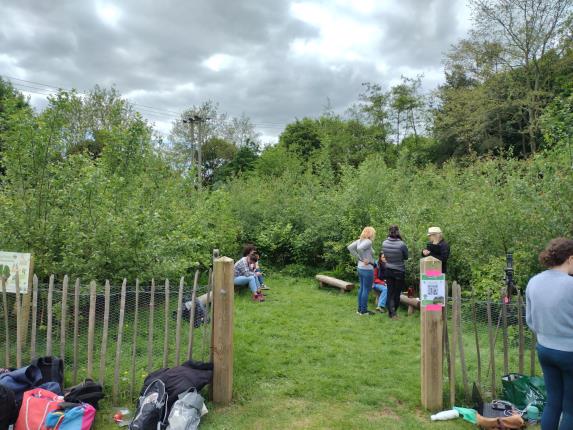
Coventry’s Tiny Forests programme is a practical and impactful approach to restoring nature in urban areas while improving climate resilience and community wellbeing. Tiny Forests are small, densely planted native woodlands, typically the size of a tennis court, created using a wide mix of UK tree and shrub species planted closely together. This approach supports rapid growth and the early development of a self sustaining woodland ecosystem.
Each Tiny Forest will transform areas of low ecological value areas into thriving green spaces rich in native trees, and shrubs . These miniature woodlands improve air quality, provide natural cooling during hot weather, help manage surface water by slowing runoff, and create valuable habitat for wildlife such as birds and pollinators. Due to their dense planting, Tiny Forests begin to deliver these benefits much faster than traditional tree planting schemes.
Six Tiny Forests have already been successfully planted across Coventry and have been enthusiastically welcomed by residents, schools and community groups. Community planting days and ongoing care foster strong local ownership and connection to place. Building on this success, four additional sites have been identified for delivery.
The programme offers flexibility for funders, with alternative sites available if current locations are not near local operations. Contributions can also be recognised through on site signage, highlighting your role in enhancing the green space.
Scheme / Programme
Coventry’s Tiny Forests support the city’s long‑term strategy to boost tree coverage, expand green infrastructure and build climate resilience. Partnering with Earthwatch Europe, these high‑impact micro‑woodlands form part of a wider European initiative, integrating nature‑based solutions into urban areas to make a greener, more resilient future.
Scale
The scale of this project is 200m².
Project delivery timeline
Traditionally, preparation for each Tiny Forest site will take 10 weeks during the planting season (November to March) to ensure completion in time. Earthwatch are ready to work with us as soon as a funder has been identified.
Community involvement
Once funding is secured, Earthwatch will lead a series of local community engagement activities to understand neighbourhood priorities and ensure each Tiny Forest reflects local needs. Engagement will take place through community days, flyers, local events and collaboration with nearby schools, helping residents shape forest locations and site design. During delivery, communities will take part in planting days, citizen‑science monitoring and educational activities, supported by Earthwatch through the creation of local “Tree Keeper” volunteer teams who help care for each forest. Post‑delivery, residents will remain actively involved through ongoing stewardship, biodiversity surveys and community events that build long‑term ownership and connection with their local green spaces.


Funding secured / committed
This project can be funded in its entirety or in parts as follows:
£32,000
per Tiny Forest
Total funding required:
£128,000
If you are interested in supporting this project, contact us using the button below.
Ecosystem services & nature recovery
This project will deliver 14 priority actions in the West Midlands Local Nature Recovery Strategy.
The project will deliver the following environmental, economic, and social benefits:
- E1 - Create stepping stone habitats in areas where corridors cannot be established
- E3 - Increase the structural and species diversity of habitats within public and private green spaces, and gardens
- G1 - Create new accessible green spaces that benefit nature and people
- G2 - Improve awareness on sensitivity of sites and habitats to increased access
- G3 - Increase equity in tree canopy cover
- H1 - Increase and integrate natural habitats into areas of greatest climate risk and vulnerability
- H4 - Prioritise habitat creation with climate-adapted species
Project impact & reporting
The project delivery organisation will provide an annual progress report and a final project report against the following targets:
200m² of Broadleaved mixed and yew woodland created
Each Tiny Forest typically covers around 200 m² and is planted at a density of approximately three native saplings per square metre.
200m² created
All Tiny Forests will be created on publicly accessible Local Authority parkland, ensuring they can be enjoyed by everyone.
2 species surveys
Citizen‑science species surveys will be carried out throughout the project, including timed pollinator and butterfly counts, butterfly species surveys, ground‑dwelling invertebrate surveys and tree‑growth measurements. We would like to encourage at least two species surveys per Tiny Forest.
3 events
Through Earthwatch, the project will deliver approximately three to four community engagement day per Tiny Forest, during they help build the capacity of the ‘Tiny Forest Tree Keeper Team’ by engaging approximately one to two local community members as Tree Keepers for each site.
5 days
The project will deliver a several volunteering days, including for ground preparation and planting, followed by additional days for community‑led surveys supported by Earthwatch, approximately 5 per Tiny Forest.
2 people
Through Earthwatch, community training days will build the capacity of the ‘Tiny Forest Tree Keeper Team’, engaging approximately one to two community members per Tiny Forest to be trained as Tree Keepers.
WMCA will produce an annual social and environmental impact report detailing the scale of benefits delivered across the region and acknowledging the contributions made by Funding Partners.
Funding
This project can be funded in its entirety or in parts as follows:
£32,000
per Tiny Forest
Total funding required:
£128,000
If you are interested in supporting this project, contact us using the button below.
Share this page