
Establishing a Community Tree Nursery
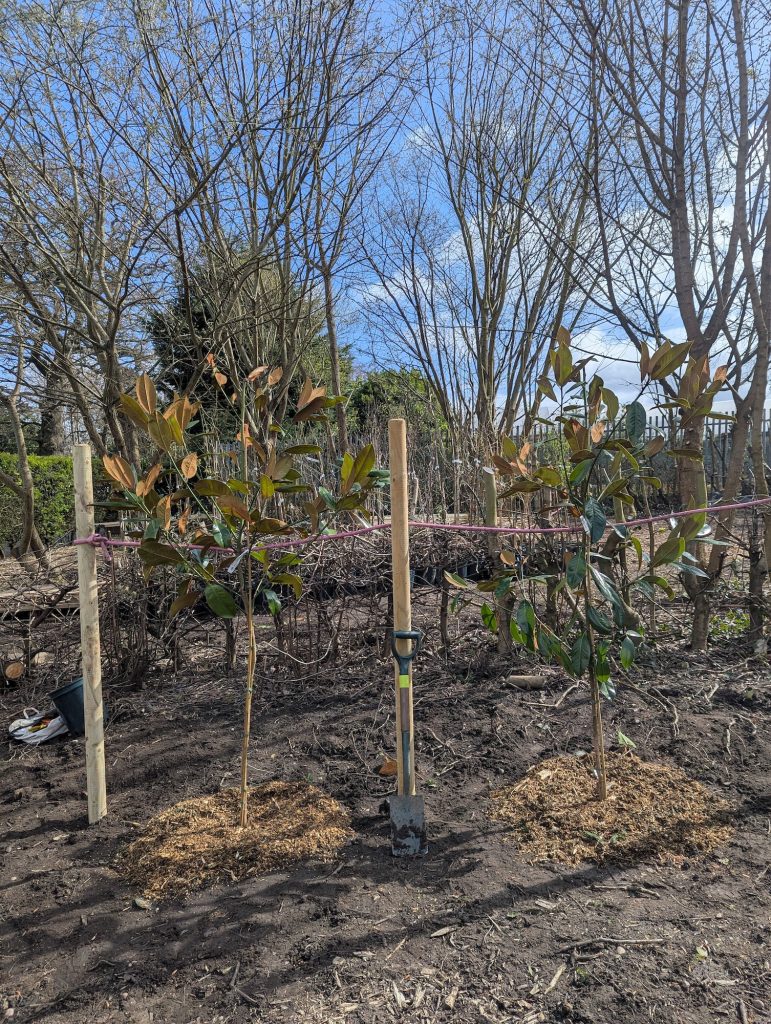
Birmingham TreePeople are seeking funds to develop their new community tree nursery in Kings Heath. The tree nursery will grow trees for areas of the city with low tree cover and provide community training and volunteering opportunities.

This project is run by Birmingham TreePeople.
Other organisations/groups involved in the project:
Birmingham City Council

Project details
Birmingham TreePeople are establishing a Community Tree Nursery in Kings Heath to grow and supply trees for areas of the city with the lowest canopy cover and greatest climate risk. The nursery will provide a permanent base for tree propagation, training and research, enabling us to trial species and techniques suited to Birmingham’s urban environment.
The project supports our wider programme to improve tree equity by producing locally grown tree stock, engaging communities and building skills in tree care and establishment. By summer 2027, we will expand from 260 to around 1,000 trees, introduce seed propagation, and plant trees in priority neighbourhoods.
Funding will be used to install irrigation and rainwater harvesting systems, create a covered teaching space, and improve site security with fencing and gates. It will also support the purchase of tree stock, tools and materials including growing media, air pots, hoses and a pallet truck, and the development of seed and propagation beds.
The Community Tree Nursery will host weekly volunteer sessions and monthly training workshops, building skills and community stewardship while creating a more resilient and equitable urban forest for Birmingham.
The community tree nursery site is owned by Birmingham City Council and a Memorandum of Understanding is in place.
Scheme / Programme
This project is part of Birmingham TreePeople’s wider programme to improve tree equity across the city. The nursery will support planting, training and community engagement work, growing trees for priority areas whilst also acting as a base for research, skills development and volunteer-led activities.
Scale
The scale of this project is 2,220m².
Project delivery timeline
This 24 month project will begin with site setup and expansion from the existing 260 trees, alongside free weekly volunteer sessions. Over summer 2026, irrigation and rainwater systems will be installed. By summer 2027, the nursery will hold 1,000 trees, with propagation and regular workshops for members of the public fully established.
Community involvement
Local communities have been central to the development of the nursery. Volunteers have helped clear the site, plant trees and shape its use, and we have worked with park partners and hosted community events, including a well-attended wassail of the trees in January 2026 attended by over 100 local community members.
During delivery, we will run weekly volunteer sessions, alternating weekdays and weekends to maximise access, alongside monthly skills workshops. Participants will receive training, tools and support, building knowledge in tree care while contributing to the site. Post-delivery, the nursery will remain a hub for ongoing community engagement, learning and stewardship, including workshops on specific skills such as fruit tree grafting, fossil fuel-free felling techniques, coppicing, green woodworking and pests and diseases.



Funding secured / committed
Total funding required:
£190,000
Funding already secured:
£106,000
If you are interested in supporting this project, contact us using the button below.
Ecosystem services & nature recovery
This project will deliver 18 priority actions in the West Midlands Local Nature Recovery Strategy.
The project will deliver the following environmental, economic, and social benefits:
- E1 - Create stepping stone habitats in areas where corridors cannot be established
- E3 - Increase the structural and species diversity of habitats within public and private green spaces, and gardens
- E4 - Maintain, improve and create open mosaic habitats (OMH) on previously developed land
- F7 - Hedgehog
- F8 - Black poplar
- F9 - Urban birds
- F12 - Amphibians and reptiles
- F17 - Bats
- F18 - Elm-associated insects
- F19 - Pollinators
- G1 - Create new accessible green spaces that benefit nature and people
- G3 - Increase equity in tree canopy cover
Project impact & reporting
The project delivery organisation will provide an annual progress report and a final project report against the following targets:
200 Trees improved
This project would support over 200 trees to be grown and cared for ahead of being planted out in the city.
2,220m² of Built-up areas and gardens improved
The nursery space will become more species diverse with open mosaic habitat that will increase biodiversity
2,220m² improved
The nursery space is accessible and will be a new space available for local people to access.
70 events
Weekly volunteer sessions will take place in the space as well as free-to-attend workshops and cultural events
500 people
As well as workshops and training we would like to use the space to host more cultural events including arts, music and craft activities and forest school sessions.
WMCA will produce an annual social and environmental impact report detailing the scale of benefits delivered across the region and acknowledging the contributions made by Funding Partners.
Funding
Total funding required:
£190,000
If you are interested in supporting this project, contact us using the button below.
Share this page